Discover the Beauty and Meaning Behind Catholic Vestments
Catholic vestments are profoundly symbolic threads woven into the heart of the Church’s liturgical life, not merely ceremonial clothing. Whether you have seen the quiet simplicity of a priest’s stole during confession or richly embroidered chasubles at High Mass, these garments reflect sacred purpose and tradition.
But what are vestments, and why have they remained so important across centuries of worship? This guide explores the meaning, history, and spiritual relevance of Catholic vestments today.
What Are Vestments?
Liturgical vestments are the specific garments worn by clergy during the celebration of the sacraments and other liturgical rites. The word comes from the Latin vestire, meaning “to clothe.” Each piece, from the alb to the chasuble, carries a distinct purpose, symbolism, and spiritual significance.
Vestments set apart sacred roles within the liturgy, reminding both clergy and laity that the Mass is not ordinary, but a divine encounter. While most commonly associated with priests, vestments are also worn by deacons, bishops, and altar servers according to their role.
A Brief History of Liturgical Vestments
Vestments trace their origins to the early Church, where ordinary Roman garments were gradually adapted and given sacred meaning. Over time, these garments evolved from everyday clothing into distinct liturgical attire. By the fourth century, vestments such as the alb and chasuble were already in use.
During the Middle Ages, vestments became more elaborate, reflecting deeper symbolism and reverence. The Council of Trent affirmed their importance in worship. Following Vatican II, vestments were simplified in many places, but their essential role in the liturgy remained unchanged.
Symbolism and Meaning
Each vestment worn by clergy carries spiritual significance. They express theological truths and enhance the sacredness of the liturgy.
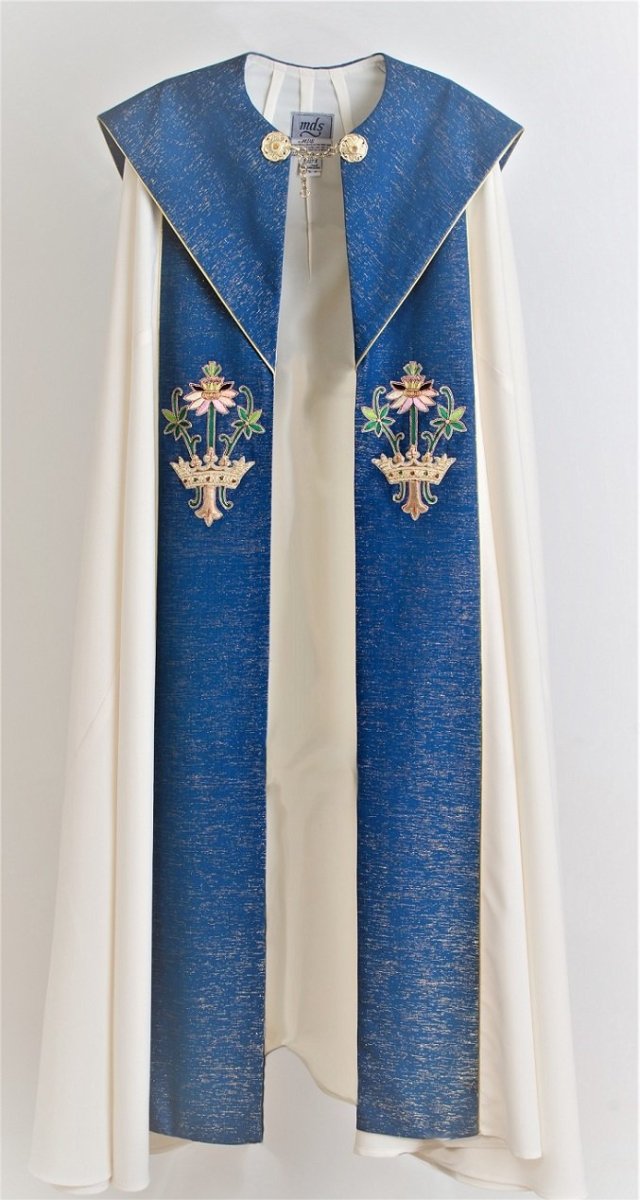
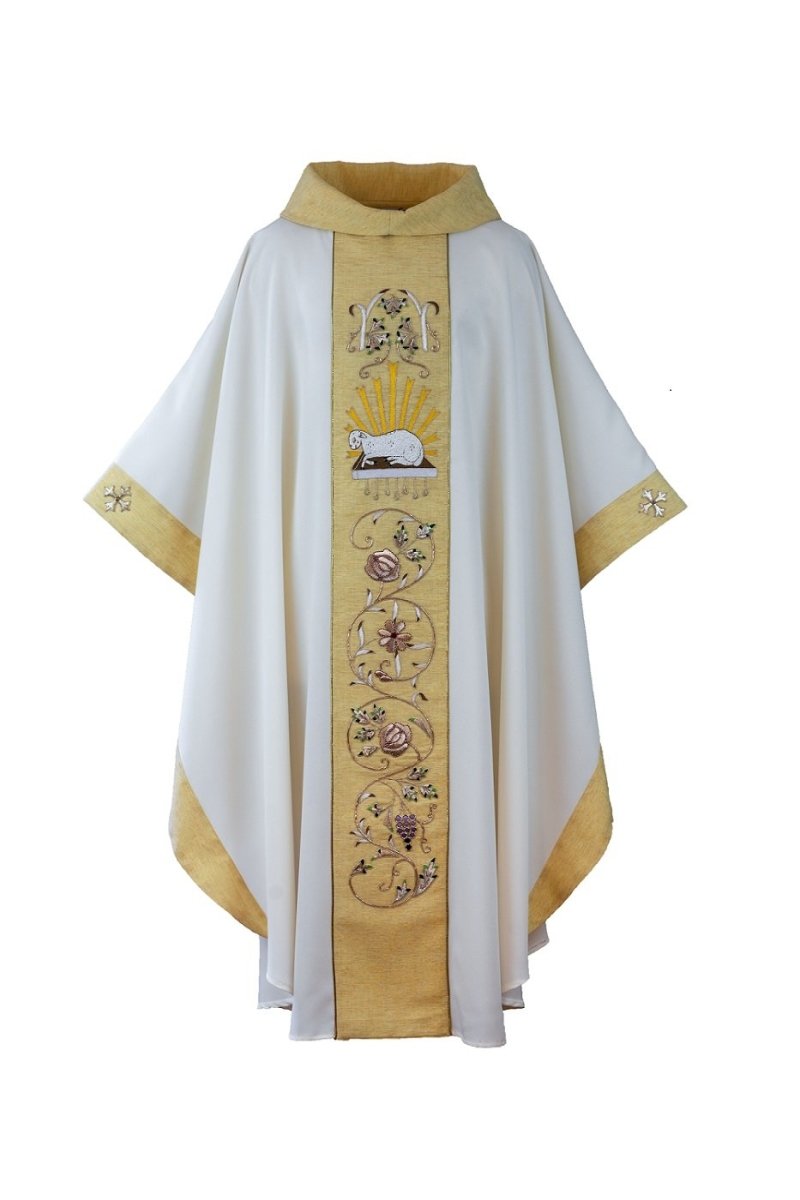
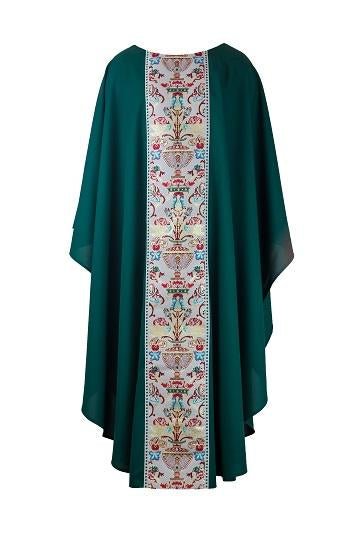
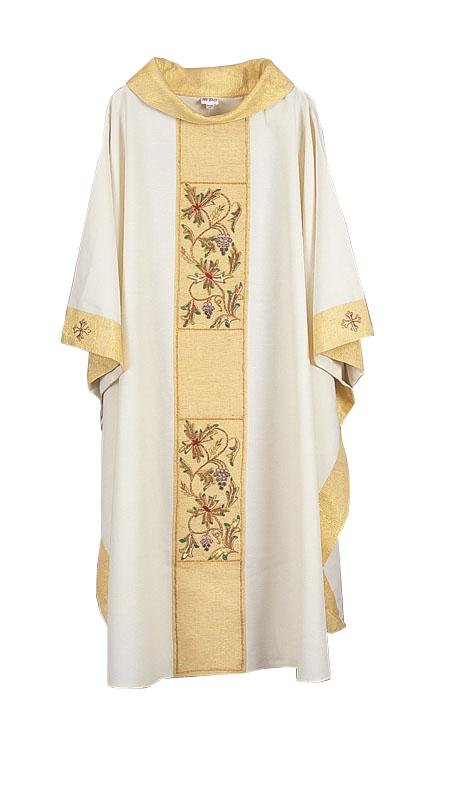
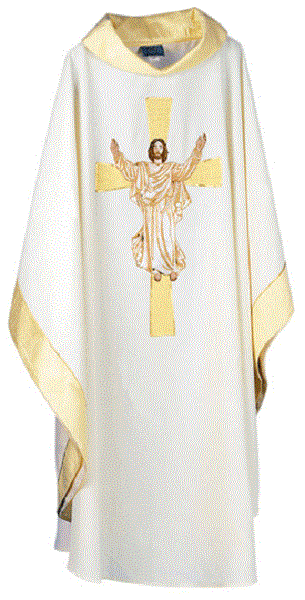
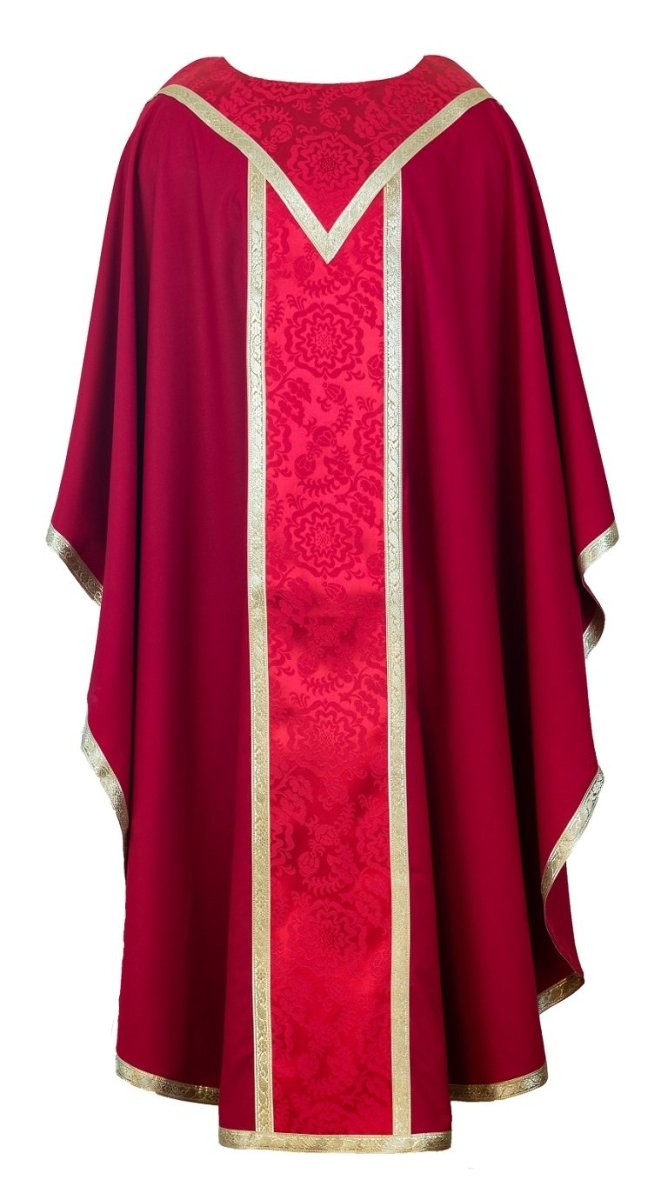
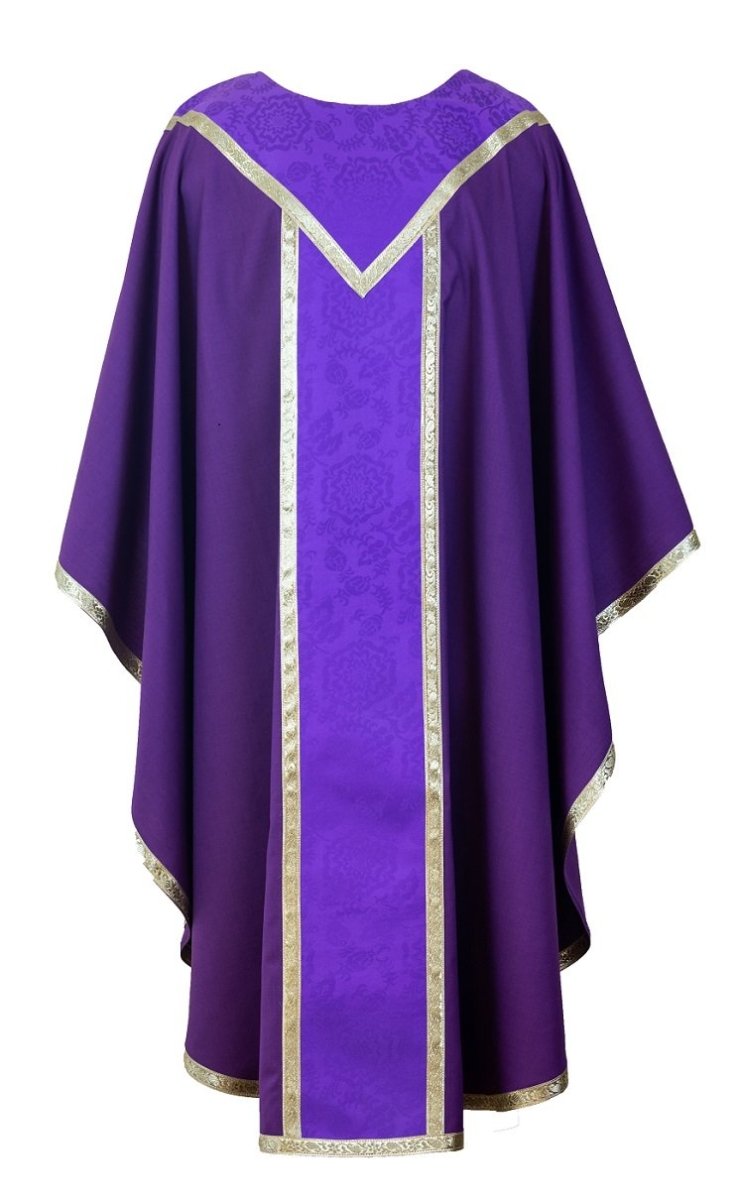
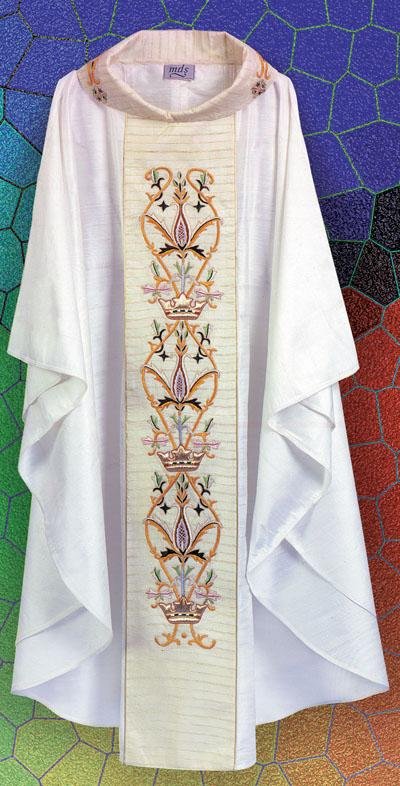
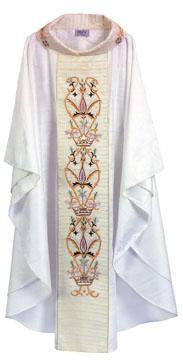
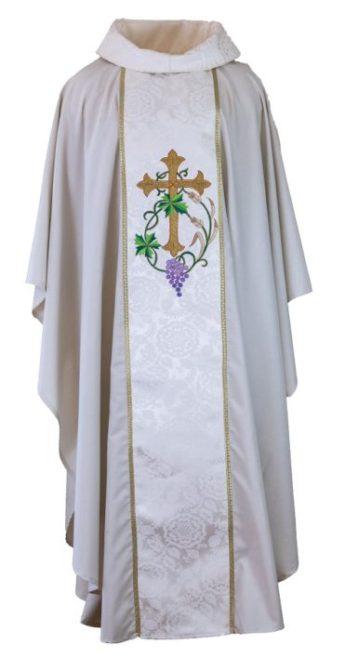
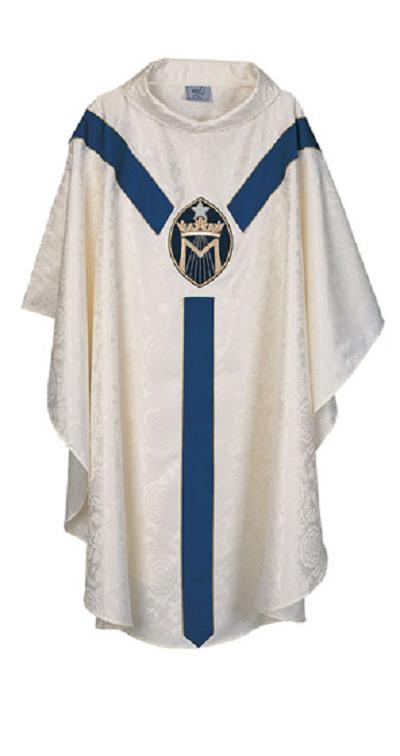
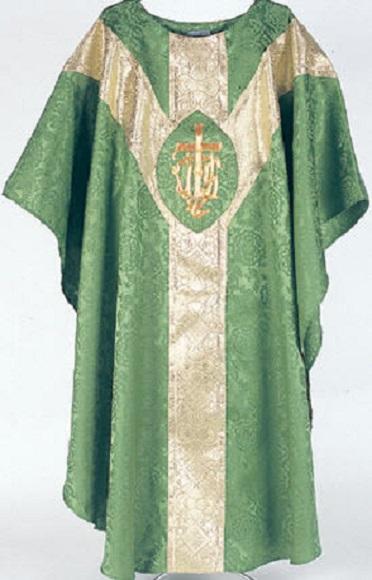
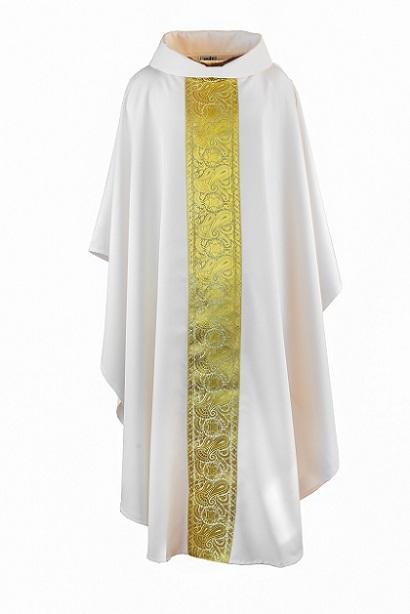
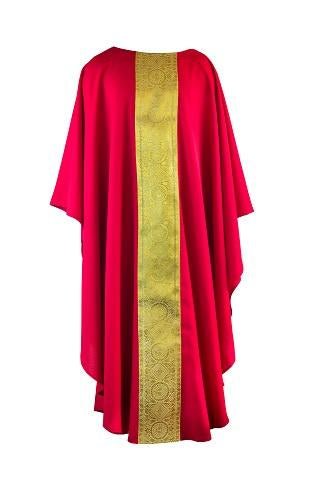
The alb, a white garment, symbolises purity and baptismal grace. The stole, worn around the neck, represents the authority of ordained ministry. The chasuble, worn over the alb during Mass, symbolises charity and the priest’s role as shepherd of the faithful.
Vestments also serve to “hide the man,” allowing the priest to act not in his own person, but in persona Christi — in the person of Christ.
Common Types of Catholic Vestments
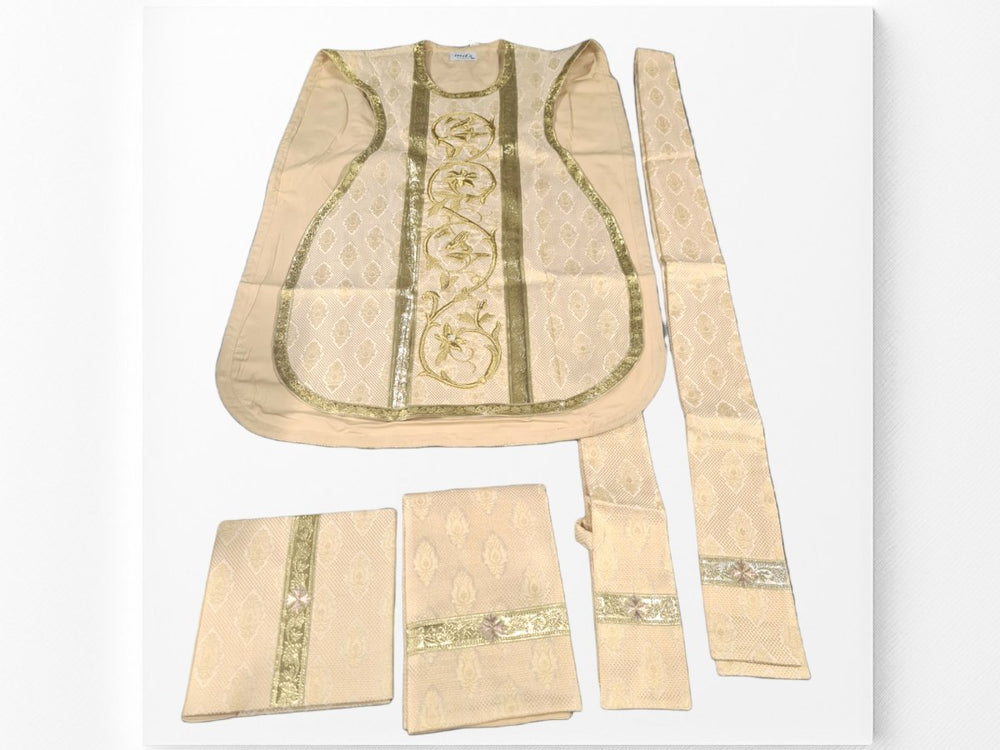
- Alb: A long white tunic symbolising purity
- Amice: A rectangular cloth worn over the shoulders, representing spiritual protection
- Cincture: A cord tied at the waist, symbolising chastity and discipline
- Stole: A long strip of cloth representing authority in ministry
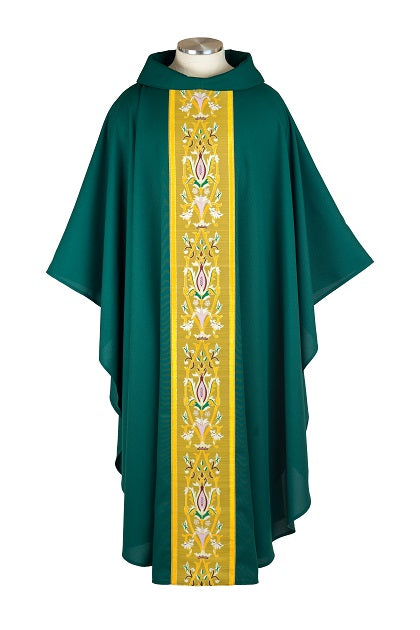
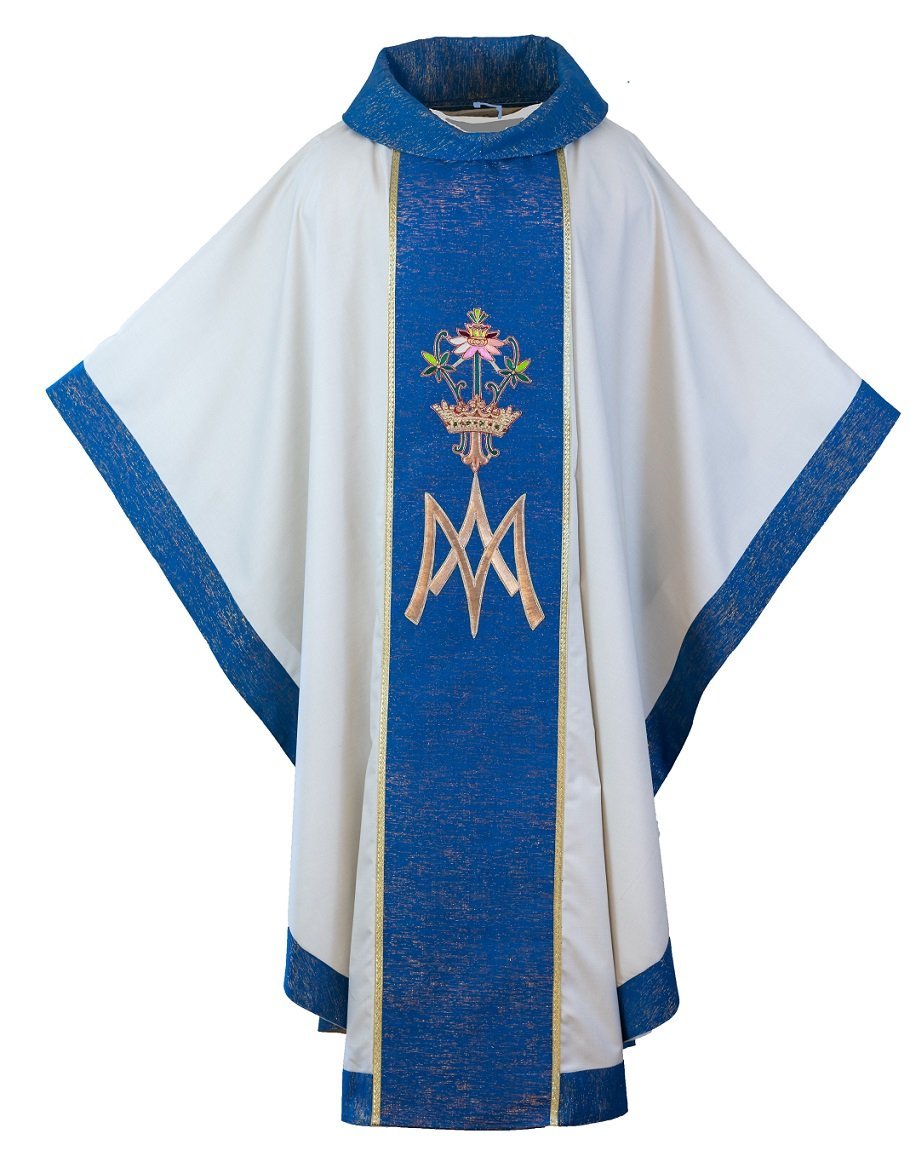
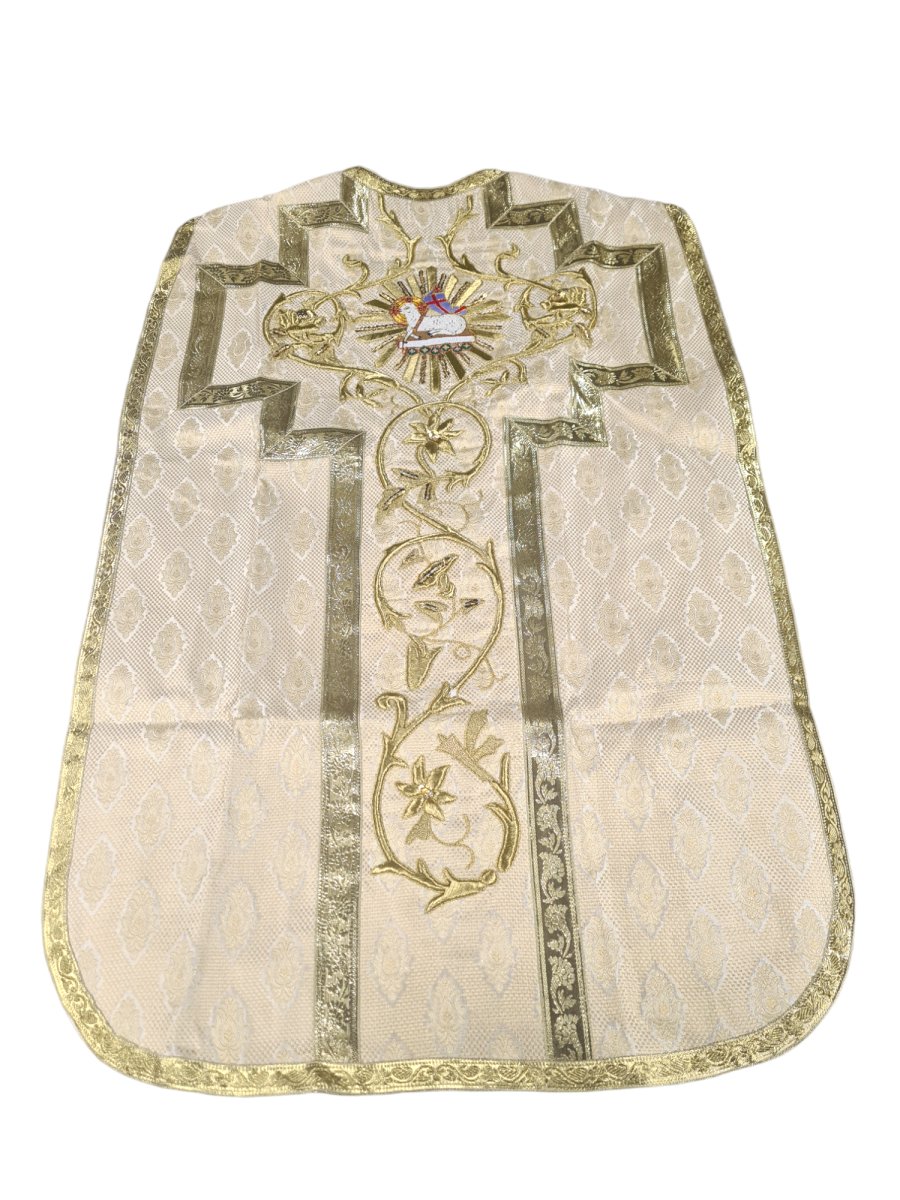
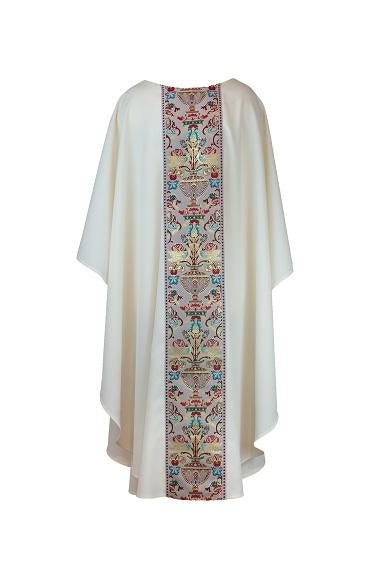
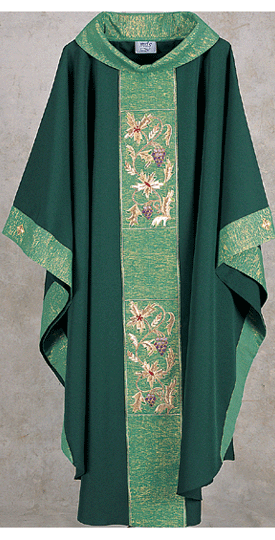
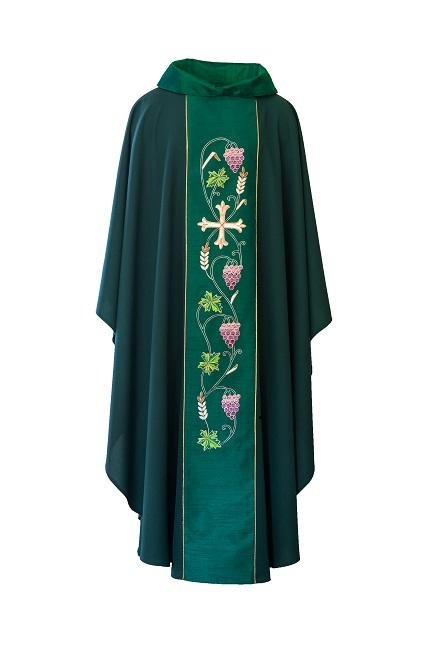
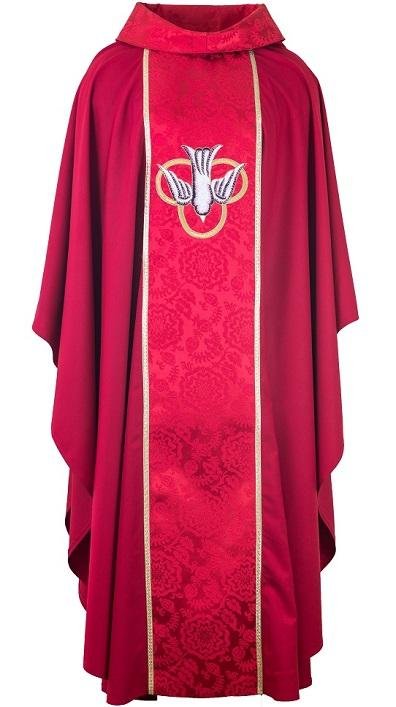
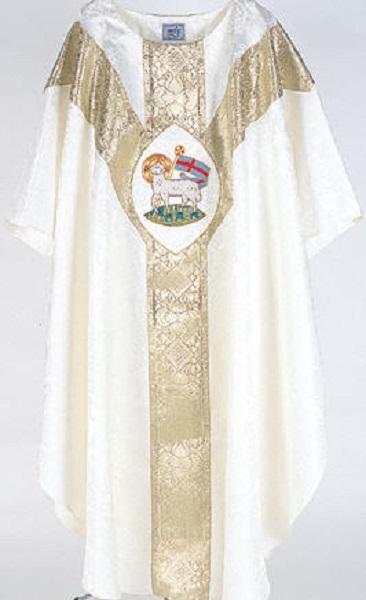
- Chasuble: The outer garment worn during Mass, symbolising charity
- Dalmatic: A vestment worn by deacons, similar to the chasuble but with sleeves
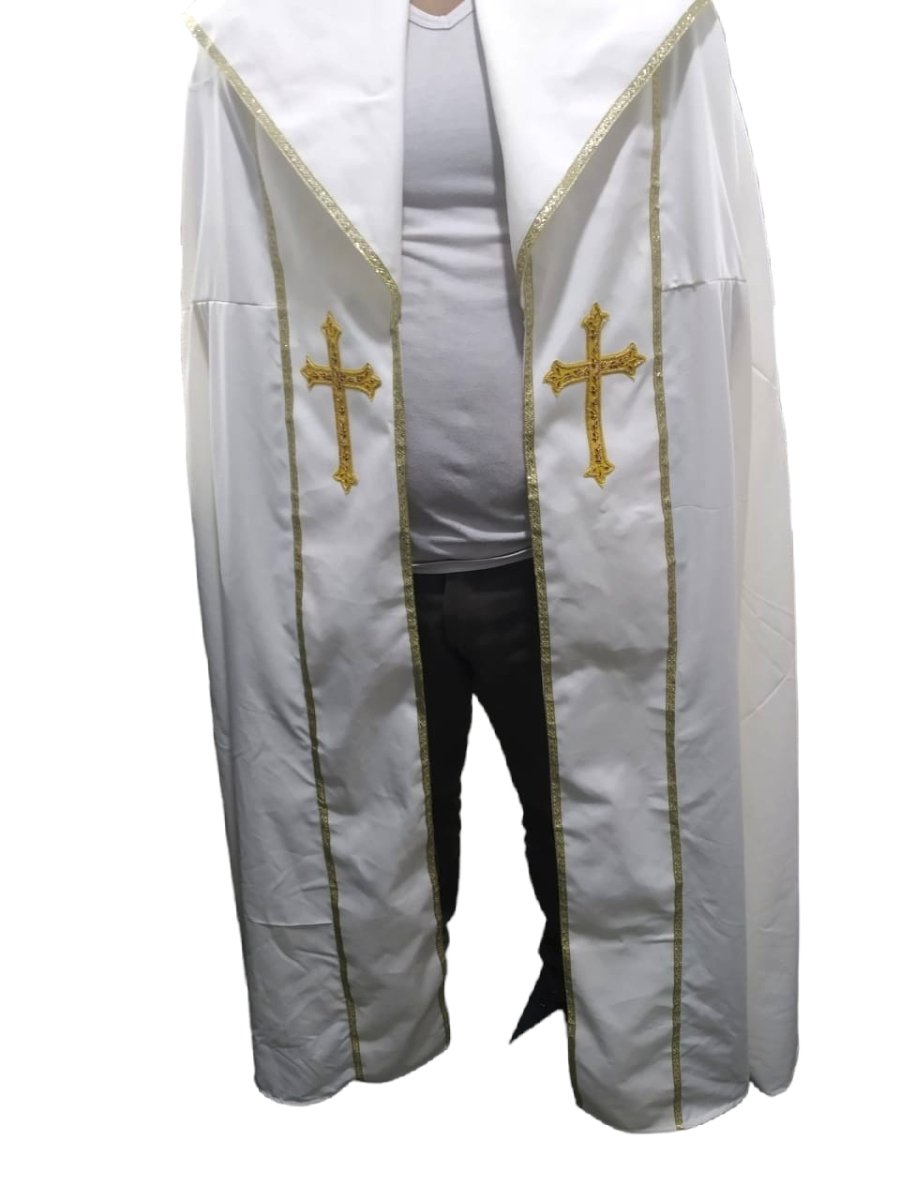
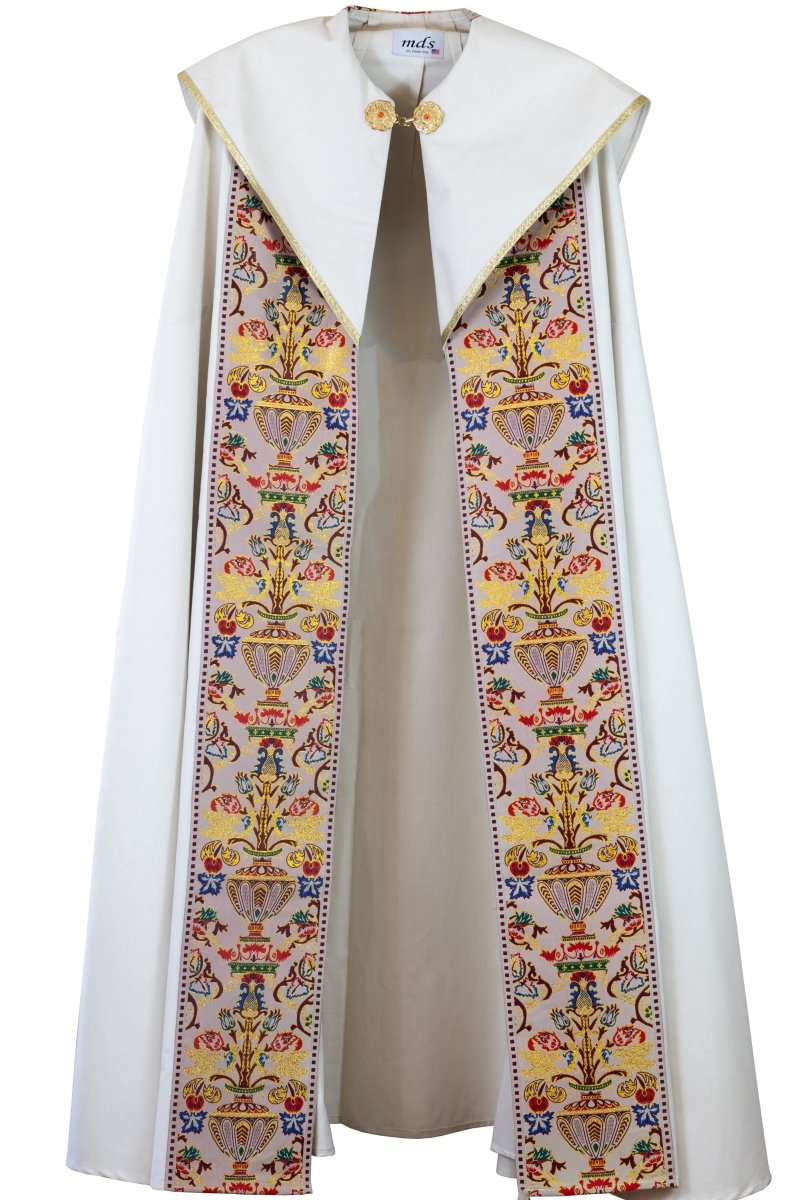
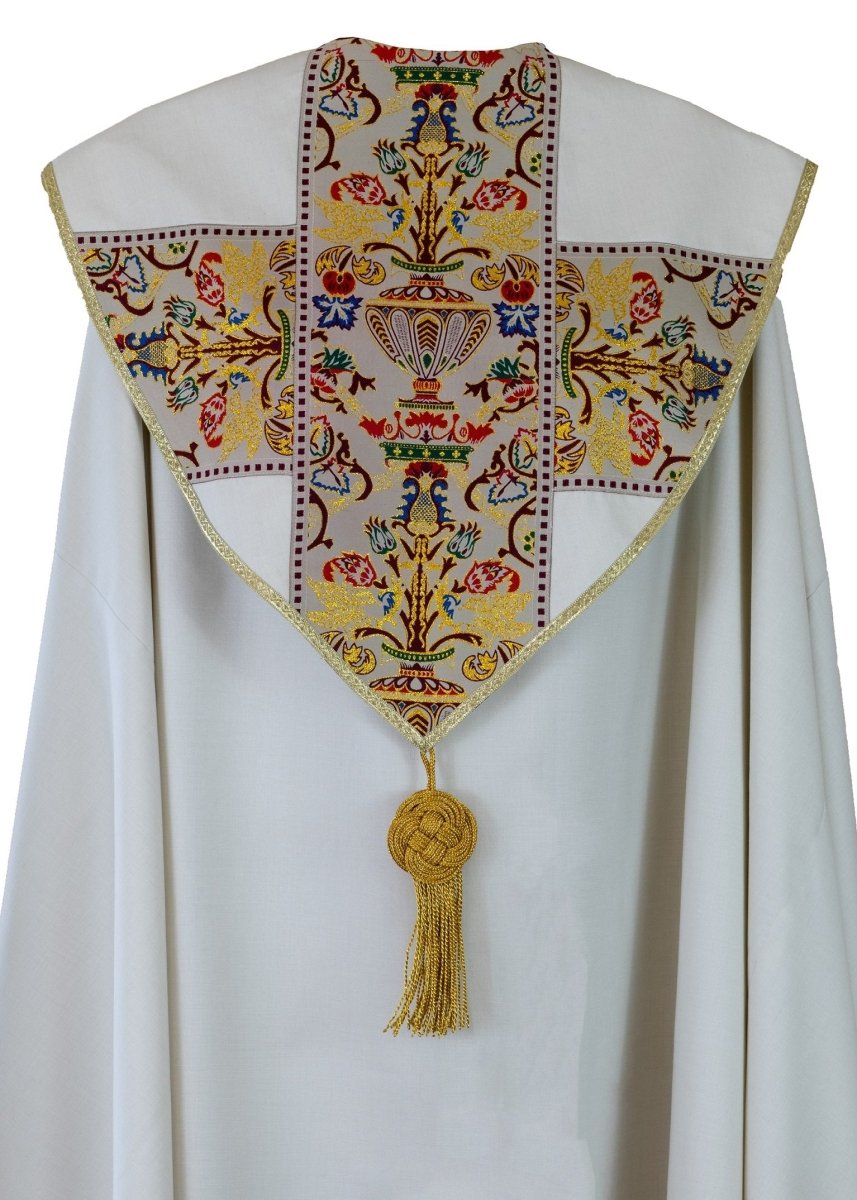
- Cope: A long, cape-like garment used in processions and Benediction
- Humeral Veil: Worn during Benediction, symbolising reverence for the Blessed Sacrament
Liturgical Colours and When They’re Worn
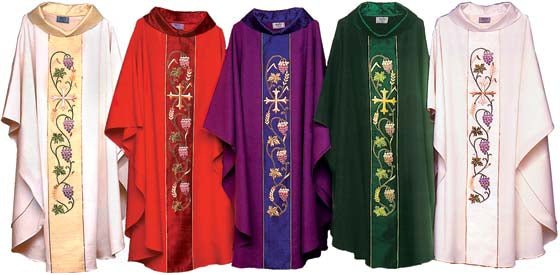
Vestments reflect the Church calendar through liturgical colours, each with deep meaning.
- White: Joy, purity and glory (Easter, Christmas, solemnities)
- Red: Martyrdom and the Holy Spirit (Pentecost, martyrs)
- Green: Hope and growth (Ordinary Time)
- Purple (Violet): Penance and preparation (Advent, Lent)
- Rose: Joyful anticipation (Gaudete and Laetare Sundays)
- Black: Mourning (All Souls’ Day, funerals)
These colours help express the spiritual rhythm of the Church year.
How Vestments Are Cared For
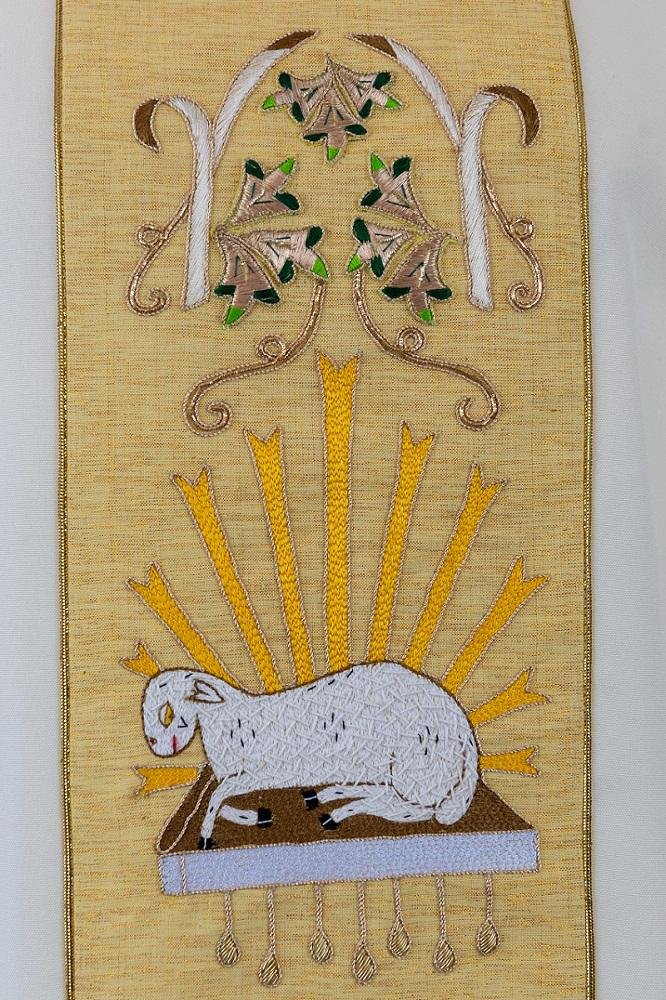
Vestments are treated with great care and reverence, as they are sacred items. Often made from fine fabrics and adorned with symbolic embroidery, they require proper handling.
They are usually stored in a sacristy, either folded or hung carefully to prevent damage. Vestments are not everyday clothing — they are dedicated to the service of God, much like altar linens and sacred vessels.
Are Vestments Required?
Yes, the Church requires vestments for the proper celebration of the Mass and sacraments. The General Instruction of the Roman Missal outlines when and how they are to be worn.
While styles and levels of ornamentation may vary, the purpose remains the same — to honour the sacred liturgy and point beyond the visible to the reality of grace.
Conclusion
Catholic vestments are living signs of the sacred, not simply garments. Rooted in Scripture, shaped through history, and rich in symbolism, they draw the faithful into the mystery of the Mass.
Whether simple or ornate, each vestment reflects the beauty of worship and reminds us that the sacred deserves reverence, care, and dignity.










![NRSV Catholic Bible Gift Edition [Black]](https://cdn.shopify.com/s/files/1/0257/9405/2162/files/our-lady-of-guadalupe-tin-covered-wood-heart-wall-hanging-879847_650x-Photoroom_3.jpg?v=1734406730)


