


Great products! Packaging was perfect and delivery was fast!!
Thank you JMJ Catholic products
Excellent website and personal service. I was given an automatic refund for an out of stock item. The range of statues is padticularly good.
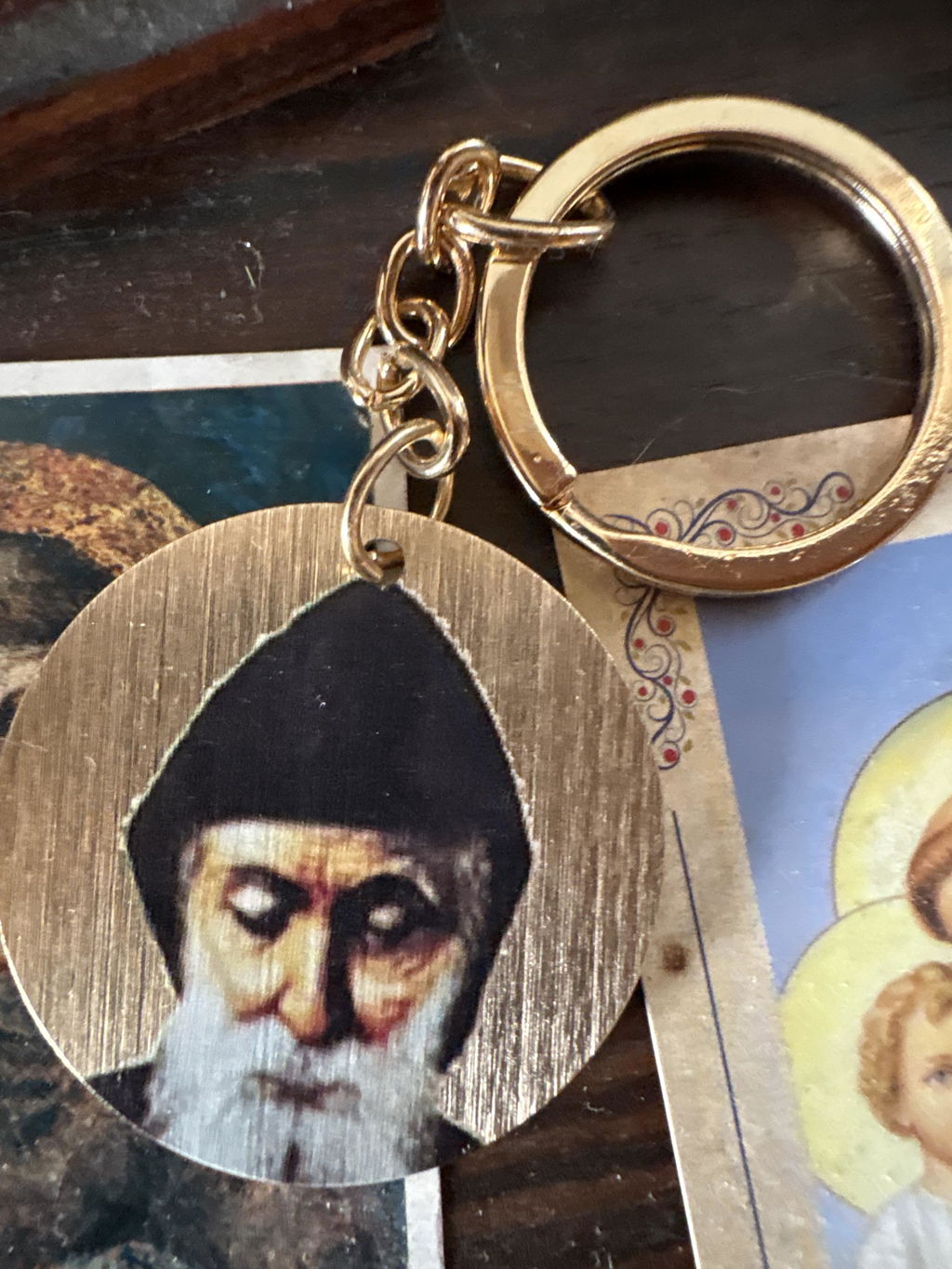
Very happy with my st charbel key ring looks good has not worn off happy
I have recently bought books and other items from your website and find that the items come quickly and are a good quality.
This nativity set brought the real meaning of Christmas to my home. Thank you.
My order was processed quickly, and I was kept informed of delivery status. Delivered well packaged. I previously had difficulty finding any literature relating to the life of St Francis, so was delighted to find this book. An informative read.
Beautiful and affordable cards with a Christian message. Very affordable and good quality
Thank you so much very good quality and very happy with my purchase, well packed, and great service, thank you.
It's a beautiful book, it's exactly what I wanted, packaged well.Very happy with my purchase.
It's a beautiful book, it's exactly what I wanted, packaged well.Very happy with my purchase.
Beautiful image, prompt arrival, will likely purchase from this seller in the future.
The pyx I ordered, with the image of the Last Supper in silver, is beautiful. It looks to be so well made. The delivery time was very short and my enquiry was answered within 24 hours.
What Liturgical Cases Are Used For
These cases exist because what's inside them matters profoundly. The pyx carries Christ Himself in the consecrated Host. Oil stocks hold the holy oils consecrated by the bishop for baptism, confirmation and anointing of the sick. The Roman collar is a visible sign of priesthood worn before the world. Each deserves to be kept safely, reverently, and ready for use.
Practically, good cases prevent damage during transport, stop oil vials from leaking, keep small objects accessible, and maintain the dignity of sacramental ministry. Whether you're making a hospital call, responding to an emergency anointing, or travelling between parishes, having the right case means you're prepared.
Types of Liturgical Cases in This Collection
Pyx Case
A protective leather pouch sized to hold the pyx — the small circular vessel used to carry the Blessed Sacrament to the homebound, hospitalised or dying. Our leather pyx cases come in several sizes, from oval designs at 8cm × 8cm to mid-size rectangular versions at 8.5cm × 7.5cm and larger three-sided zipper styles at 10cm × 10cm. Made from soft sheepskin leather with embossed cross designs, they protect the Real Presence during transport whilst honouring what they carry.
Burse
A small pouch, traditionally worn on a cord around the neck so the pyx rests close to the chest during Communion calls. This traditional form of carrying the Eucharist expresses something true — that Christ travels with the minister, held close, not merely transported. Our burses feature rayon cords reaching waist level, and many include a small pocket for additional items. The burse turns a hospital visit or home call into something unmistakably sacred.
Oil Stock Case
Protective cases for the three holy oils — Oil of Catechumens (OC), Oil of the Sick (OS) and Sacred Chrism (SC). These oils are used in baptism, confirmation and anointing of the sick, and priests need them to be secure, organised and ready at short notice. Oil stock cases, often leather pouches, prevent leaks and contamination while keeping everything accessible when it's needed.
Collar Box
A practical case for protecting the Roman collar during travel. The collar is a public sign of a priest's identity and calling — and maintaining it in a dedicated case, rather than bundled in luggage, is a small way of honouring that. Collar boxes lined with soft cloth keep collars neat and presentable for ministry throughout a long day or a journey away from home.
How to Choose the Right Liturgical Case
Select based on what you carry, how you use it, and the ministry contexts you move through regularly:
- Compact pyx case — for frequent sick calls and hospital visits where discreet, secure Eucharist transport is the priority
- Burse with cord — if you prefer the traditional method of wearing the pyx close to your heart during home Communion visits
- Larger burse with zipper — when you carry the pyx plus additional items like holy cards or oils
- Oil stock case — if you regularly administer anointing, baptisms or confirmations and need organised, leak-proof storage
- Collar box — for clergy travelling frequently or wanting to keep a spare collar protected and ready
- Embossed designs — for those who appreciate traditional symbolism alongside practical protection
Measure your pyx before purchasing. Our 8cm × 8cm oval case suits standard pyxes; the 10cm × 10cm three-sided zipper version accommodates larger pyxes or those wanting extra space.
Materials and Construction
Our liturgical cases are made from genuine sheepskin leather — chosen for its softness, durability and quietly reverent appearance. Sheepskin is supple enough to protect delicate items without being rigid, and it ages well through years of handling. Stitching is reinforced at edges and closures where daily use places the most stress.
Burse gussets range from 1.9cm to 2.5cm to accommodate varying pyx depths. Rayon cords are long enough to allow comfortable wear during movement. Embossed designs — the Celtic cross, simple crosses — add character without affecting function.
Care: Wipe clean with a slightly damp cloth. Store in a dry location away from heat and moisture. Condition leather periodically to maintain suppleness. Handle with the same care you give the items inside.
When These Cases Matter Most
Bringing Communion to the sick — hospital wards, hospice beds, quiet homes where someone is dying. The minister who arrives with a pyx carefully held in a burse near the heart brings not just a sacrament but a visible sign that Christ Himself is present, coming to His people. The case is part of that witness.
Hospital chaplaincy — multiple Communion calls across a shift, through corridors and lifts, in varying conditions. Durable cases keep everything protected and organised through a full day's ministry.
Travel between parishes — rural clergy, mission priests and those serving multiple communities need cases that hold up in cars and bags across long distances and varying weather.
Emergency calls — when called urgently to administer Last Rites or Viaticum, having a prepared burse or pyx case means the response is immediate and reverent. Some clergy keep one in their car for exactly this reason.
Frequently Asked Questions
What is the difference between a pyx case and a burse? A pyx case is a protective pouch sized to hold the pyx. A burse includes an attached cord for wearing around the neck, positioning the Eucharist close to the chest during ministry. Many contemporary designs combine both — they're protective cases that can also be worn.
What is an oil stock case used for? It holds the three holy oils used in sacraments — preventing leaks, protecting the vials and keeping them organised for immediate access during baptisms, confirmations and anointing.
How do I choose the right size? Measure your pyx's diameter and compare to case dimensions. A snug fit provides the best protection — the case should hold the pyx securely without excessive movement during transport.
Are these suitable for hospital and chaplaincy use? Yes — they're designed for exactly this. Leather burses worn on a cord allow discreet, reverent transport through hospital settings. Quality construction handles the daily demands of institutional ministry.
What is a collar box for? It protects spare Roman collars during travel, keeping them neat and undamaged. A dedicated case maintains the collar's appearance and treats it as the visible sign of priestly identity it is.
⁂


